

And that makes sense – one of the key aspects of running an HOA effectively is proper financial management, including the handling of HOA payments. Following the tips above will help you keep your associations financially sound. Communicating with boards is also a key part of any association manager’s job.
- Conduct periodic audits of the HOA’s finances, either internally or via a third party.
- Making things worse, the world is now in the second year of the Covid-19 pandemic, complicating HOA accounting and collections processes even further.
- Our team will assess your needs and develop a customized plan tailored to your financial goals.
- You may be skeptical of working with a company not located in your area.
- They also promote transparency between the board and members or it can also be a law requirement.
Explanation Of Cash Basis Of Accounting
- Remember, just because someone was elected treasurer, does not necessarily mean they have accounting experience.
- Preparing financial reports on a regular basis is important for many reasons.
- It’s different from an operating fund, which is an account where the money is used to cover the day-to-day expenses needed to keep the association up and running.
- Regular meetings discussing the financial reports and forecasts can foster accountability and collaborative decision-making.
- If detailed records are not kept, it can be near-impossible to keep track of delinquent dues or know how much money is available to budget for community maintenance and new projects.
- It’s the only method that gives you an accurate picture of your finances.
- Poor HOA financial management can lead to various issues, underscoring the importance of adhering to sound accounting practices to maintain the fiscal integrity of the association.
It provides a comprehensive view of the association’s assets, liabilities, and equity. Remember, a balance sheet must always stay balanced with total assets equating to total liabilities plus equity. A well-managed HOA typically maintains a reserve fund equivalent to 30% to 40% of its annual budget, ensuring financial stability for unexpected expenses and long-term maintenance projects. The key is to ensure that your HOA or condo association is receiving the most efficient features and services for its needs.
Bank Reconciliation Report
- As with most things regarding HOA financial statements, it depends on state laws and community bylaws.
- However, if you have to sift through endless email chains and manually file away sensitive documents, it can be all too simple for some important messages to fall through the cracks.
- Hiring Condo & HOA self-management support services will reduce the time required to be a Board member.
- The line of credit can help smooth the cash flow process, and take some pressure off the Board.
- Large associations with many accounts or complex budgets often choose to prepare statements every year.
- By outsourcing these functions, associations can focus on community engagement and improvement rather than getting bogged down in financial details.
- You might end up overspending and making poor financial decisions as a result of inaccurate records.
Regularly share financial Mental Health Billing statements with the members and be ready to answer any questions they may have. Conducting annual audits can also enhance credibility and accountability. The average collection rate for HOA dues is around 90% to 95%, emphasizing the effectiveness of proper accounting practices in ensuring a steady income stream for community maintenance and improvements. Ensure that all financial transactions are recorded accurately and promptly. Maintain a general ledger that contains detailed information for every transaction.

Modified Accrual Accounting

At Exact Ledgers, we are committed to providing expert accounting solutions tailored to your unique needs. https://procarepartners.com/what-is-the-difference-between-bookkeeping-and/ Homeowners association accounting services encompass a variety of financial management tasks specifically designed for HOAs. These services include bookkeeping, financial reporting, budgeting, and compliance with regulations that govern HOAs. By outsourcing these functions, associations can focus on community engagement and improvement rather than getting bogged down in financial details.
#5: Keep Communication with Boards Clear and Consistent
For example, you could run out of money the next time an emergency expense pops up, forcing you to levy a special assessment on your residents. You could also miss important tax deadlines, leaving your association at risk of incurring costly fines and penalties. The key components of HOA accounting include income tracking, expense tracking, financial reporting, and budgeting for the future. When a homeowner declares bankruptcy, the first thing your HOA board should do is check with your attorney or management company. Keep in mind that there are certain bankruptcy laws that protect bankrupt homeowners. Therefore, you may not be able to push through with any pending legal cases with the homeowner or collect past due balances.

Key Definitions that might help:
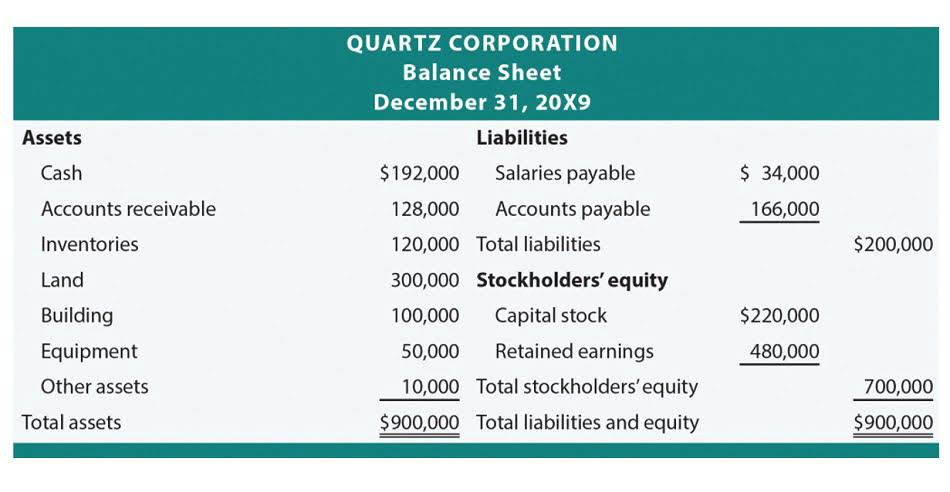
The advantage of GAAP is that it gives an accurate picture of the state of the HOA and all its transactions at any given time. This is because transactions are recorded at the time they occur and therefore the books are always up to date. Community Financials provides expert accounting for hoa bookkeeping and financial reporting for HOAs, Condominiums, and POAs nationwide, ensuring fund security, transparency, and effective communication. Experience the difference with our professional financial services designed specifically for HOAs and condo associations. It is vital to ensure that your HOA or condominium board is following industry best practices where HOA accounts payable are concerned.
By familiarizing yourself with accounting, you can safeguard your association’s finances. Access to accurate and timely financial reports helps HOA boards make informed decisions regarding budgeting, expenses, and community projects. HOAs often allocate an average of 5% to 10% of their budget for professional accounting software, showcasing the importance of technology in maintaining accurate and efficient financial records. HOA accounting involves handling an average of 300 to 500 financial transactions per month, emphasizing the need for accounting for homeowners association with meticulous record-keeping and financial oversight. An income statement is essential for budgeting and planning future expenditures. It includes revenues (such as homeowner dues and fees) and expenses (such as maintenance costs and management fees).
